
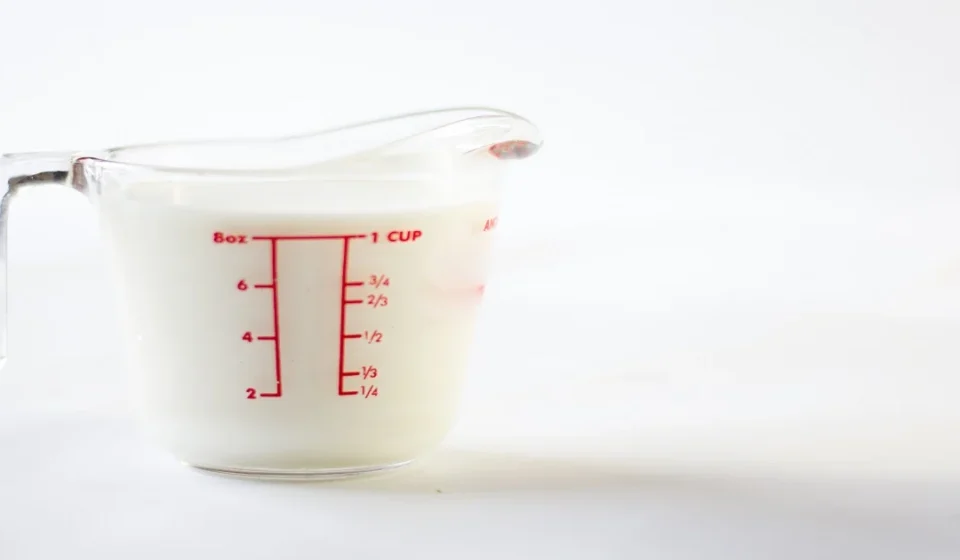
How Many Cups in a Liter? Simple Answer + Conversion Calculator
If you’re converting measurements for a recipe, measuring water intake, or comparing beverage sizes across different regions, you’ve likely wondered: how many cups in a liter?
The straightforward answer is 4.23 US cups per liter. But that’s only part of the story. The actual conversion depends on which type of cup you’re using, and different countries use different standards. This matters when you’re following recipes from international sources or trying to understand nutrition labels.
Let’s break down the conversions, explain why they vary, and give you a practical chart to reference.
The Quick Conversion
1 liter = 4.23 US cups
If you need a rough estimate and accuracy to the half-cup isn’t critical, remember that 1 liter is roughly 4 cups.
Here’s where precision matters: when you’re baking, following a specific recipe, or measuring medication, that 0.23-cup difference (about 3.4 tablespoons) can affect your results. In everyday cooking, it’s less critical.
Why the Answer Isn’t the Same Everywhere
This is where it gets interesting. A “cup” isn’t a universal measurement.
US customary cup: 8 fluid ounces = 236.6 milliliters. Multiply by 4.23, and you get 1 liter.
Metric cup: 250 milliliters. This is common in Canada, Australia, and parts of Europe. So 1 liter = 4 metric cups exactly.
Imperial cup (UK, Ireland, some Commonwealth countries): 284.1 milliliters. This produces a different ratio again.
Japanese cup: 200 milliliters. Used in Japan and in some Japanese cooking contexts.
The most common conversions you’ll encounter are US and metric. If you’re reading an international recipe, check the source to see which standard they’re using. A recipe from a UK source will use imperial cups, while an Australian recipe typically uses metric cups.
Conversion Chart: Liters to Cups
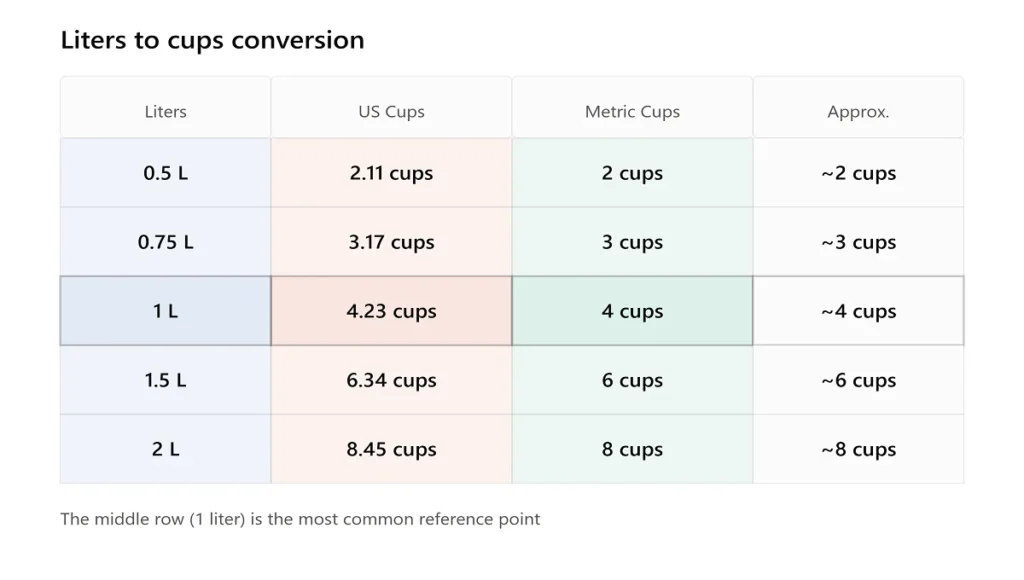
| Liters | US Cups | Metric Cups | Approximate |
|---|---|---|---|
| 0.5 L | 2.11 cups | 2 cups | ~2 cups |
| 0.75 L | 3.17 cups | 3 cups | ~3 cups |
| 1 L | 4.23 cups | 4 cups | ~4 cups |
| 1.25 L | 5.28 cups | 5 cups | ~5 cups |
| 1.5 L | 6.34 cups | 6 cups | ~6 cups |
| 2 L | 8.45 cups | 8 cups | ~8 cups |
Cups to Liters (The Reverse Conversion)
If you have a number of cups and need to convert to liters:
1 US cup = 0.236 liters (or roughly 0.24 L)
1 metric cup = 0.25 liters (exactly)
So if a recipe calls for 8 cups of liquid, that’s approximately 1.9 liters (US) or 2 liters (metric).
Common Conversions You’ll Actually Need
How many cups are in a liter of water? The same as any liquid: 4.23 US cups or 4 metric cups. Water’s density is close enough to other beverages that this holds true for milk, juice, and most cooking liquids.
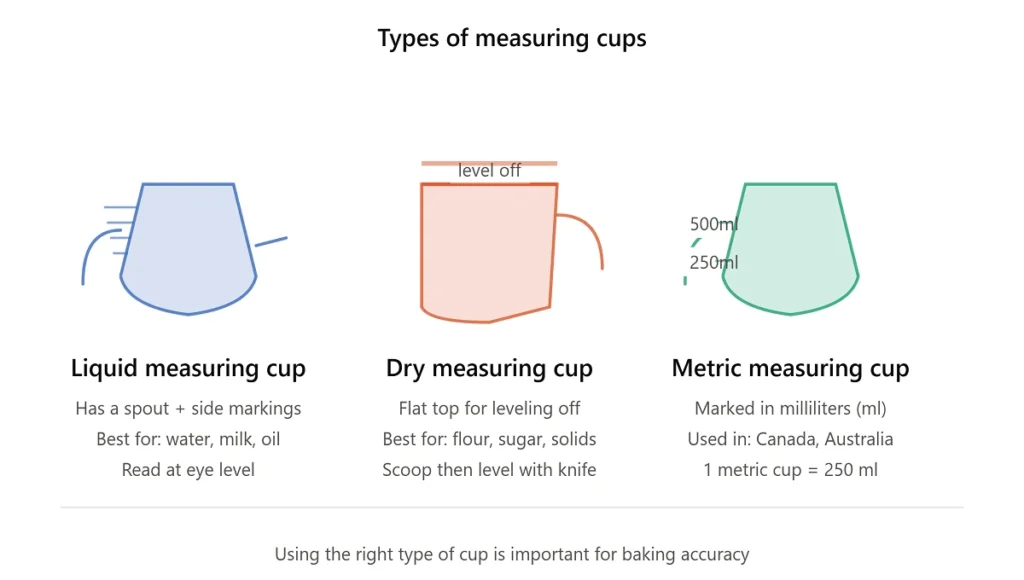
How many cups in a 1.5-liter bottle?
- US: 6.34 cups (or about 6⅓ cups)
- Metric: 6 cups exactly
This is useful to know when comparing large water bottles or soft drink bottles.
How many cups in a 2-liter bottle?
- US: 8.45 cups (roughly 8⅜ cups)
- Metric: 8 cups exactly
When Accuracy Matters (And When It Doesn’t)
In baking: Precision is important. Bakers often measure by weight (grams) instead of volume for this reason. If you’re using cups, stick with one measurement system throughout the recipe.
In cooking savory dishes: A difference of 0.2 cups usually won’t affect the outcome. Soups, stews, and sauces are forgiving.
In beverages and smoothies: Precise measurements are rarely necessary.
In medication or nutritional tracking: If you’re measuring water intake for health reasons, the difference between 4 and 4.23 cups per liter is negligible for most purposes.
In scientific experiments or chemistry: Use milliliters and grams. Cups are too imprecise.
How to Measure Accurately with Cups
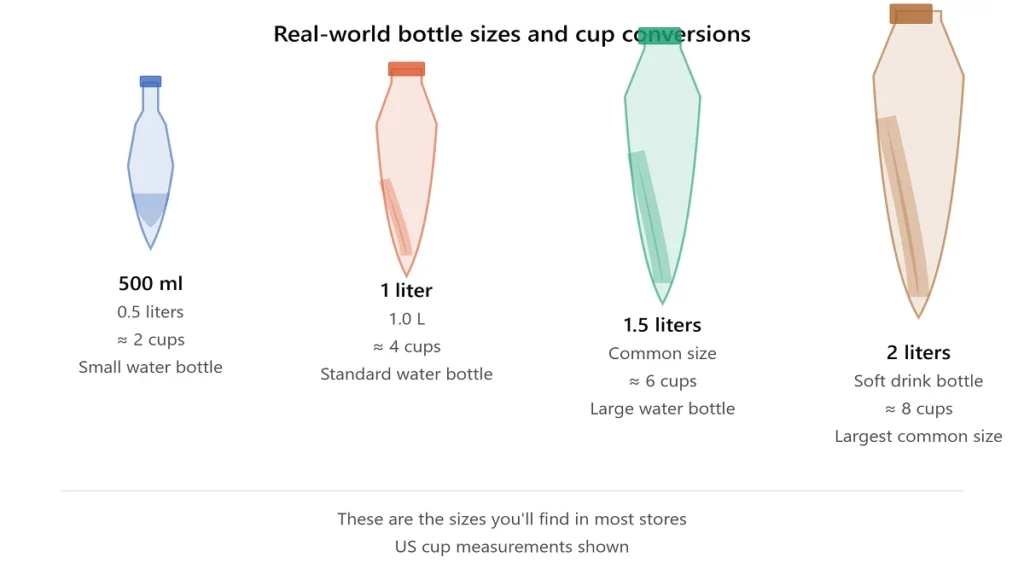
If you’re using cup measurements:
- Use a liquid measuring cup (with a spout) for liquids. These are marked on the side and read at eye level.
- Use a dry measuring cup (flat-topped) for solids like flour. Fill it and level off with a knife.
- Don’t assume all cups are the same. Old or handmade cups can vary. A coffee mug, for example, is often closer to 8-10 ounces, not 8 oz exactly.
A Practical Tip for Cooking
When you’re following a recipe from a different country, the difference between 4 and 4.23 cups matters less than knowing which system the recipe uses. If a recipe is from the UK, Australia, or Canada, assume metric cups (250 ml). If it’s from the US, assume US customary cups (236.6 ml).
For most cooking, converting 1 liter to “about 4 cups” is close enough. The variations in ingredient density, room temperature, and cooking method have far more impact on the result than this slight difference.
Summary
1 liter equals 4.23 US cups or 4 metric cups. The difference depends on which country’s measurement system you’re using. For everyday cooking and measuring, 1 liter ≈ 4 cups is a useful approximation. For baking or precise measurements, use the exact conversion for your region.
KEY TAKEAWAYS
- 1 liter = 4.23 US cups (most common in the US)
- 1 liter = 4 metric cups (used in Canada, Australia, UK)
- The difference between cup types can affect baking but is minor for everyday cooking
- Always check which measurement system a recipe uses if it’s from another country
- For approximate conversions, remember 1 liter ≈ 4 cups
- Liquid and dry measuring cups are not interchangeable
FAQ
Q: How many cups are in a liter exactly?
A: In US measurements, 1 liter = 4.227 cups (typically rounded to 4.23 cups). In metric, 1 liter = 4 cups exactly.
Q: Is a liter bigger or smaller than a cup?
A: A liter is significantly larger. One liter contains more than 4 cups of liquid.
Q: How many ounces are in a liter?
A: 1 liter = 33.814 fluid ounces (US). For practical purposes, 1 liter ≈ 34 fluid ounces.
Q: Why do recipes use different measurements?
A: Different countries have different standard measurement systems. The US uses customary cups, while most other countries use the metric system or imperial measurements.
Q: Can I use a coffee mug instead of a measuring cup?
A: Not if precision matters. Coffee mugs vary in size (typically 8-12 ounces). Always use a standard measuring cup for recipes, especially baking.
Q: How many cups is half a liter?
A: Half a liter is about 2.11 US cups or 2 metric cups (approximately 2 cups in either case).
Q: Is it better to measure in cups or milliliters?
A: Milliliters are more precise. Professional bakers and chefs prefer weight (grams) or volume (milliliters) over cups for consistency.
Q: Does the type of liquid change the conversion?
A: No. The conversion from liters to cups is the same regardless of whether you’re measuring water, milk, juice, or oil. The volumes are identical.
Q: How many cups are in a standard water bottle?
A: Standard single-serve water bottles (16.9 oz) are about 2 cups. Large bottles (1.5 L) are about 6 cups.
Q: Why is a cup 8 fluid ounces and not a rounder number?
A: Historical measurement systems developed differently across regions. The 8 oz cup became standard in the US, while other countries adopted metric measurements.
💡 Related Article: BaddieHub Fashion Master the complete Baddie aesthetic with our ultimate fashion guide.